
Tea and herbs have a long history and culture. Benedictine monastics and famous individuals such as Hildegard of Bingen studied herbs and their use in monastic gardens or elsewhere. Teas such as vervain or sideritis have descriptions coming back to the Romans and Greeks. And then of course there is the tasting, noticing the textures and effects on the mind and body. The following ones have become staples over the past few years.
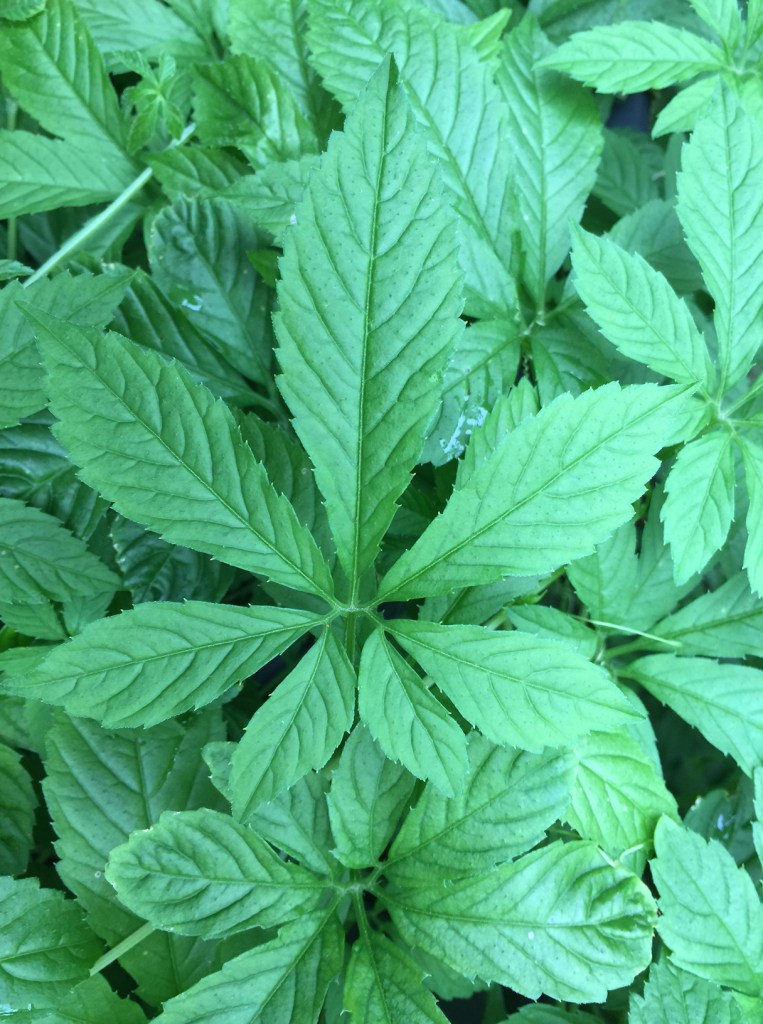
Jiaogulan
Jiaogulan is the legendary meditation group tea.
In the past few years, there’s been several good brands offering jiaogulan. For hot tea it is recommended to get the leaf and not the powder, as the leaf is tastier. The powder is quite tasty if making an ice tea.
At the moment I recommend this family company.
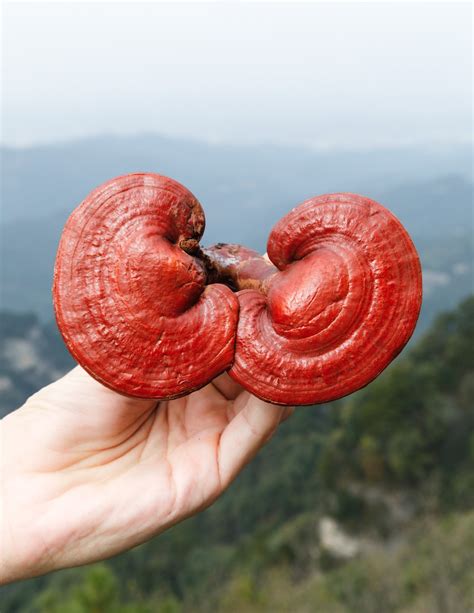
Reishi
For meditation, if I were to pick one herb, it would be reishi. Not the best for a tea, but it is great with some coffee (alternative) or some chocolate milk.
For Reishi, the manner of cultivation matters. Erbology (not affiliated) has good Reishi.
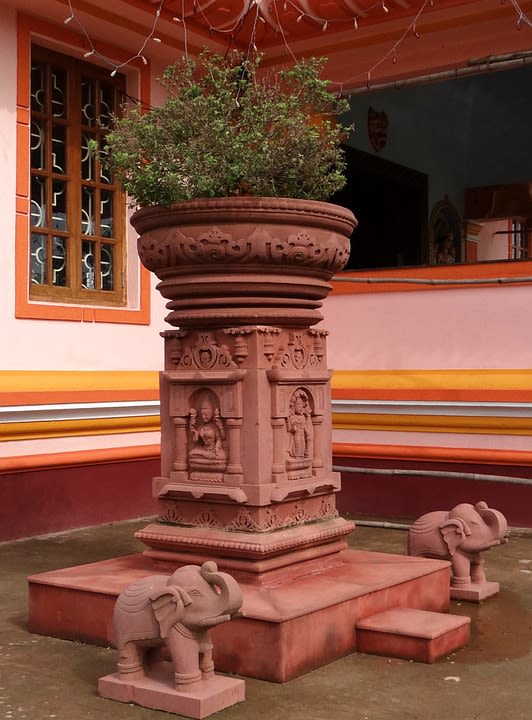
Tulsi
Tulsi is considered a sacred herb in India, where it is often put on altars of worship. It can be tasty with hot water and some oat milk.
 Meditation